
Development Consultancy
Our development team work with clients to ensure their projects are financially viable and deliverable.
Development Consultancy services for the South West
Vickery Holman’s Development Team works across the South West, providing a comprehensive range of services to support clients at every stage of the development lifecycle.
With offices in Truro, Plymouth, Exeter, and Bristol, our specialist team has extensive knowledge of local markets, the development process, and planning policy, ensuring projects are both financially viable and deliverable.

We act on behalf of a wide range of client, including private individuals, developers, building contractors, landowners, registered providers and housing associations, lenders, and Local Authorities.
By working with Vickery Holman, you benefit from a multi-disciplinary team of RICS-qualified professionals, offering clear, impartial advice, local expertise, and a consistently high standard of service.
We offer the following services:
- Land Acquisition and Disposal
- Strategic Land and Development Advice
- Red Book Valuation
- Financial Viability Assessments
- Project Delivery, including management, monitoring, and contract administration
- Arbitration and Expert Witness Services
WHAT NEXT?
If you would like to discuss a project or explore how we can support your development, please don’t hesitate to get in touch for an initial, no-obligation conversation.
Key Contacts








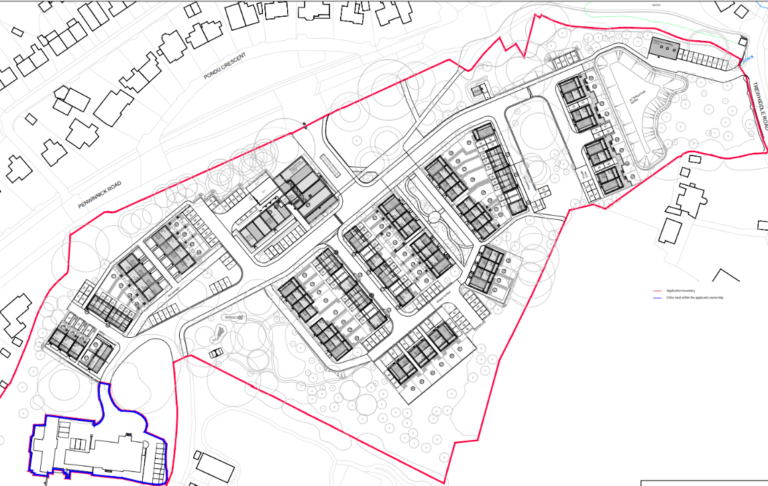
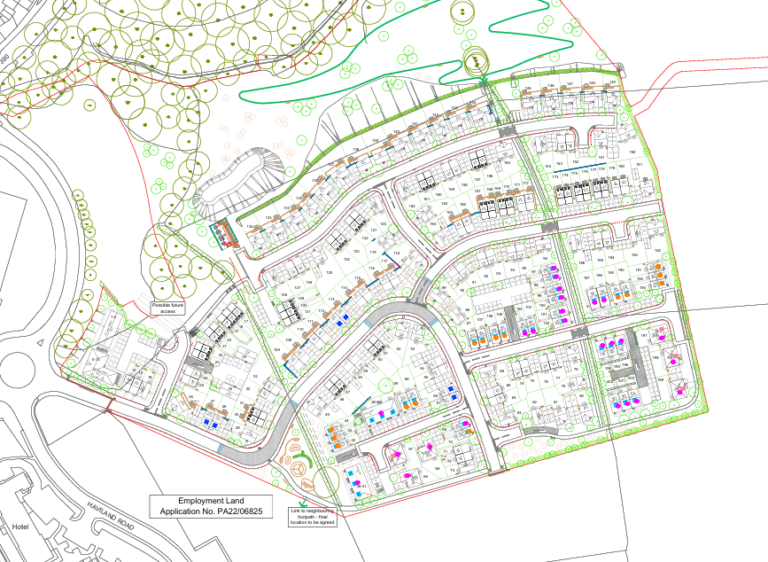
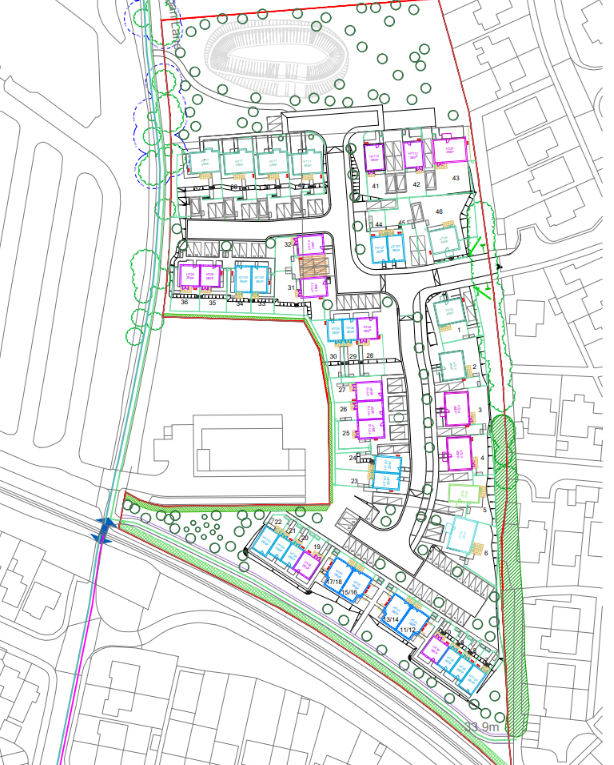
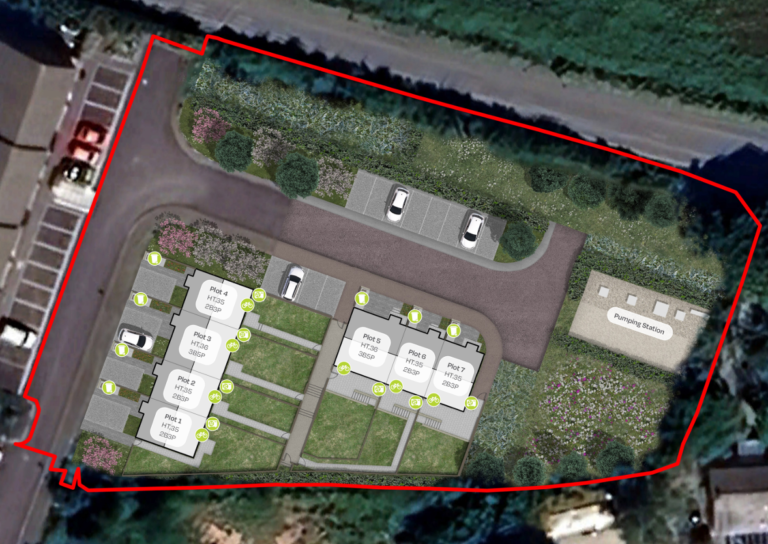
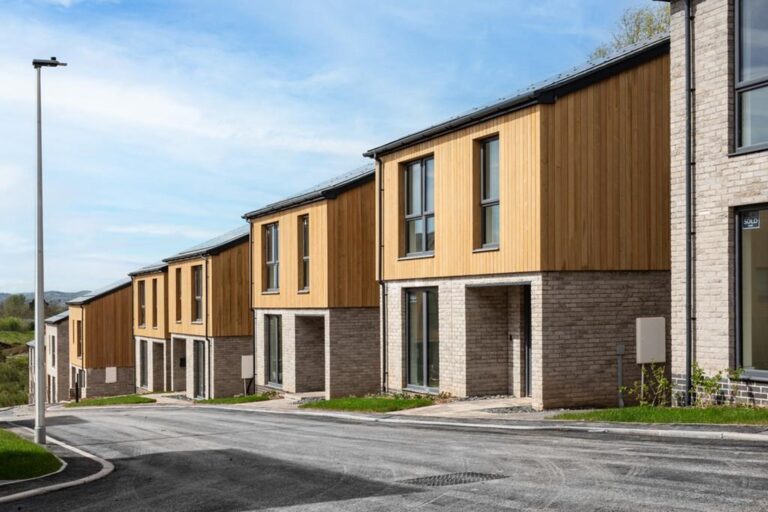
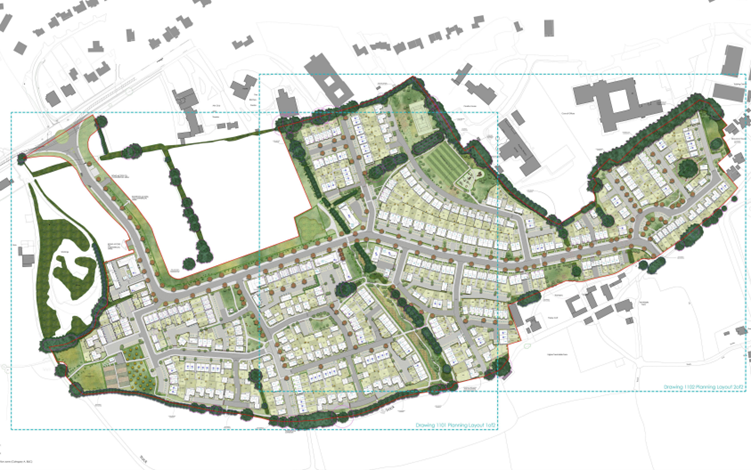
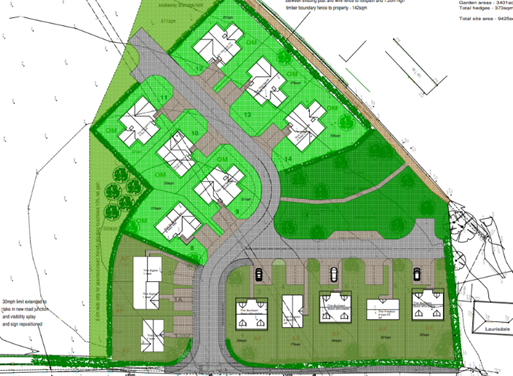
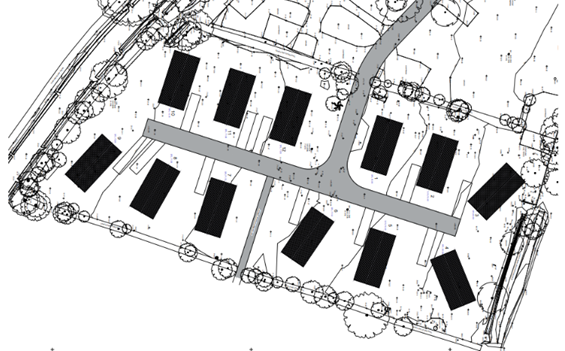
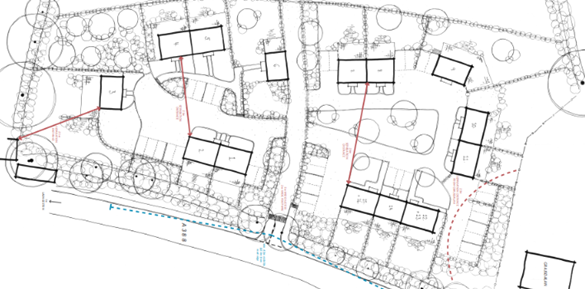
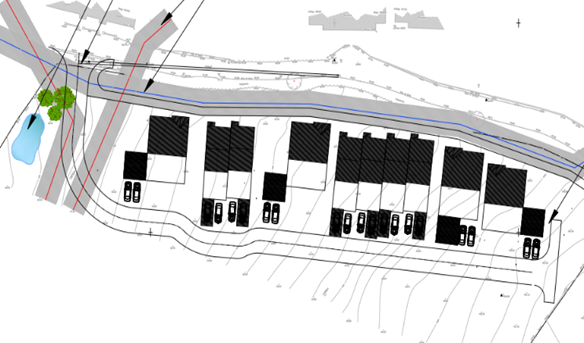
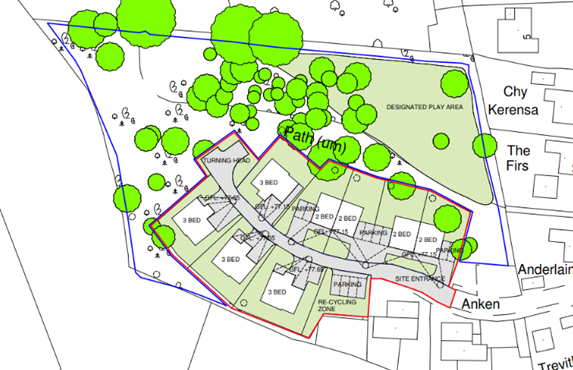
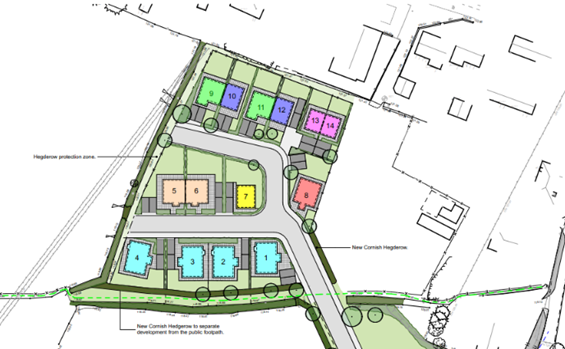
Development Consultancy Case Studies

Development Consultancy FAQs
Valuations for Registered Providers: Key Considerations
What is a valuation for a Registered Provider?
A valuation for a Registered Provider (RP) is an independent assessment of the value of housing assets, typically undertaken for financial reporting, internal analysis, and strategic decision-making.
Why do Registered Providers require valuations?
Registered Providers may require valuations for:
- Financial reporting and audit purposes
- Understanding the value of housing stock
- Supporting business planning and strategy
- Internal asset management and performance review
What valuation approaches are used?
Valuations may be prepared using different approaches depending on the purpose, including:
- Income-based approaches
- Market-based approaches
- Discounted cash flow (DCF) modelling
The methodology will reflect the nature of the assets and the intended use of the valuation.
Who can undertake valuations for Registered Providers?
Valuations should be carried out by appropriately qualified and experienced professionals, typically:
- RICS Registered Valuers
- Specialists with experience in the social housing sector
What guidance do these valuations follow?
Valuations are prepared in accordance with relevant professional and regulatory guidance, including:
- RICS Valuation – Global Standards (Red Book)
- The UK National Supplement
- Applicable auditing and accounting requirements
These frameworks ensure that valuations are robust, transparent, and appropriate for their intended use.
Are valuations subject to audit or review?
Yes. Valuations prepared for financial reporting are typically:
- Reviewed as part of the audit process
- Subject to scrutiny by auditors and internal stakeholders
What types of valuations are typically required by Registered Providers?
Registered Providers may require a range of valuation outputs depending on the purpose of the instruction. These commonly include:
- Open Market Values (OMV) – the estimated value of a property if sold on the open market with vacant possession
- Open Market Rents (OMR) – the estimated value of a property if let on the open market with vacant possession
- January 1999 Sale Values – values used to inform rent-setting
- Social Rents – reflecting income levels based on regulated or formula rents
- Existing Use Value (EUV) – the value of a property based on its current use
- Land Value – the underlying value of the site, typically assuming planning consent, and often used to inform calculations such as Golden Brick payments
The specific valuation outputs required will depend on the reporting requirements and intended use of the assessment.
What is Golden Brick?
Golden Brick refers to a stage in a development when construction has progressed beyond the foundations and part of the building structure is in place. At this point, the site is no longer treated as bare land for VAT purposes.
This is important because, if a property is acquired at or after Golden Brick stage, the transaction may qualify for zero-rated VAT, rather than VAT being applied to the land value.
Golden Brick is commonly used in development and affordable housing transactions, where the timing of the transfer can have a significant impact on overall scheme costs.
How often should valuations be updated?
The frequency of valuation updates will depend on the purpose of the valuation and organisational requirements. However, in practice, valuations are often reviewed on a regular cycle, typically every 3-6 months.
More frequent updates may be required where:
- There are significant changes in market conditions
- Key assumptions (such as rents or costs) have changed
- Valuations are being relied upon for financial reporting or decision-making
Maintaining up-to-date valuations is particularly important where they are subject to audit or used to inform strategic decisions.
If you require valuation, please get in touch to discuss your requirements.
Understanding Development Viability
What is considered a ‘viable’ development?
A development is generally considered viable if it delivers a competitive return to the developer, while taking into account relevant planning policy requirements.
What is a Financial Viability Assessment?
A Financial Viability Assessment (FVA) is a financial appraisal used to determine whether a proposed development is economically deliverable. It compares total development costs against the expected value of the completed scheme.
When do I need a Financial Viability Assessment?
You may need an FVA when:
- Submitting a planning application
- Proposing reduced affordable housing or planning obligations
- Negotiating Section 106 agreements
What does a Financial Viability Assessment include?
An FVA typically includes:
- Build and development costs
- Professional and finance fees
- Sales values
- Land value assumptions (BLV)
- Developer’s profit
- Planning obligations (e.g. affordable housing, Community Infrastructure Levy (CIL))
What is Benchmark Land Value (BLV)
Benchmark Land Value represents the minimum price a landowner would reasonably accept for their site. It is a key input in determining whether a scheme is viable.
How is developer’s profit assessed?
Developer’s profit reflects the level of return required to justify risk. It is typically expressed as a percentage of Gross Development Value (GDV).
What are abnormal costs?
Abnormal costs are site-specific costs that are not typically associated with standard development. These may include:
- Site remediation or contamination
- Demolition
- Access constraints
- Topography (e.g. sloping sites or complex ground conditions)
These costs can materially affect development viability and are often a key factor in negotiations with local authorities.
What guidance do Financial Viability Assessments follow?
Financial Viability Assessments are typically prepared in accordance with relevant national and local policy and professional guidance, including:
- RICS Professional Statement: Financial Viability in Planning (1st Edition, 2019)
- National Planning Policy Framework (NPPF)
- Planning Practice Guidance (PPG) – Viability
- The relevant Local Plan
- Any applicable Supplementary Planning Documents (SPDs)
These documents set out standardised approaches to assessing viability, including the use of benchmark land value, transparency of assumptions, and alignment with planning policy requirements.
In many cases, local authorities will also expect key inputs – such as sales values – to be supported by advice from appropriately qualified professionals, including RICS-accredited valuers.
Will the local authority review my FVA?
Yes. Most local authorities will review viability assessments, often with input from independent consultants, and may challenge assumptions such as costs, values, and profit levels.
How long does an FVA take to prepare?
A typical Financial Viability Assessment can take between 1-3 weeks, depending on the size and complexity of the scheme.
Is the information in an FVA confidential?
Viability assessments are sometimes treated as confidential. However, increasing planning transparency means they are often published alongside planning applications, with limited redactions where justified.
If you require a Financial Viability Assessment, or would like an initial view on the viability of your scheme, please get in touch to discuss your project.
Selling Development Land: What You Need to Know
What does selling development land involve?
Selling development land involves marketing a site to potential buyers, typically developers, housebuilders, or Registered Providers. The process includes assessing the site’s development potential, determining an appropriate value, and structuring the sale to maximise returns.
How do I know if my land has development potential?
Land may have development potential if it:
- Has planning permission, or the potential to obtain it
- Is located in an area identified for growth or housing
- Has suitable access and infrastructure
A market appraisal can help assess planning prospects and likely value.
What is a market appraisal?
A market appraisal is an assessment of the likely price that a property or site could achieve if marketed for sale in current market conditions.
For development land, a market appraisal will also consider planning status, development potential, and buyer appetite. It provides an informed guide to value for decision-making and marketing purposes, but it is not a formal valuation.
Should I obtain planning permission before selling?
This depends on your objectives:
- With planning permission → higher cost and risk, but typically higher value
- Without planning permission (on a conditional basis) → lower upfront cost and risk, but typically lower value
The best approach will depend on timescales, risk appetite, and market conditions.
How is development land valued?
Development land is most commonly valued by reference to comparable sales, analysing prices achieved for similar sites in the market. This reflects current demand, planning context, and local market conditions.
Where a scheme is more advanced—such as where there is a detailed design or planning permission in place – a residual appraisal may also be used. This assesses the value of the completed development and deducts all development costs, including construction, fees, planning obligations, and developer’s profit, to arrive at a land value.
In practice, both approaches may be considered to provide a well-informed view of value.
What factors affect the value of development land?
Key factors include:
- Planning status and policy
- Location and market demand
- Site constraints (e.g. access, ground conditions)
- Development costs and affordable housing requirements
What is the best way to sell development land?
Common methods include:
- Private treaty – direct negotiation with a buyer
- Informal tender – inviting offers by a set date
- Formal tender or auction – competitive bidding process
The appropriate method will depend on the type of site and level of market interest.
How do you market development land?
Development land can be marketed through a range of approaches, including targeted off-market discussions or wider open market campaigns.
The chosen strategy will depend on the nature of the site and the level of demand, with the aim of generating competitive interest and achieving the best possible outcome.
Can I sell land subject to planning permission?
Yes. Many development land transactions are agreed on a conditional basis, meaning the buyer will only complete the purchase once planning permission has been secured.
What is an option or promotion agreement?
- Option Agreement – a developer secures the right to purchase land in the future, usually after obtaining planning permission
- Promotion Agreement – a promoter seeks planning permission on your behalf and sells the land on the open market, sharing the proceeds
These structures can help unlock value where planning is not yet secured.
How do you manage and monitor a conditional sale?
Where a sale is structured on a conditional basis, we provide ongoing oversight to help ensure the process progresses as expected.
This typically includes:
- Monitoring the progress of the planning application
- Liaising with the buyer, planning consultants, and other stakeholders
- Reviewing key milestones and timescales set out in the agreement
- Ensuring that reasonable endeavours are being used to secure planning permission
Our role is to help protect the landowner’s position, maintain momentum, and ensure the terms of the agreement are being adhered to throughout the process.
What is an overage (clawback) agreement?
An overage agreement (also known as clawback) allows the seller to receive additional payments in the future if the value of the land increases, for example through the grant of planning permission or an enhanced scheme.
This is commonly used where there is potential for further value to be realised after the initial sale.
Should I take the highest offer?
Not always. The best offer will consider:
- Price
- Certainty (e.g. planning risk)
- Timescales
- Buyer track record
A slightly lower but more certain offer may ultimately be more beneficial.
What happens after I accept an offer?
Once an offer is accepted, the parties will typically agree heads of terms and instruct solicitors. The buyer will then undertake due diligence, which may include legal, planning, and technical investigations.
If the sale is subject to planning, there will also be a period during which planning permission is sought before the transaction completes.
I have been approached by a developer – what should I do next?
If you have been approached by a developer, it is important to take independent advice before agreeing any terms. Initial offers may not reflect the full potential value of your land, particularly where there is scope for planning or alternative sale strategies.
We can review any proposals received, advise on the suitability of the terms, and assess whether a more competitive process may achieve a better outcome.
This ensures you fully understand the value of your land, the options available, and the implications of any agreement before proceeding.
We can also engage directly with interested parties on your behalf and manage the process to help secure the best possible terms.
How long does it take to sell development land?
Timescales vary depending on:
- Planning status
- Complexity of the site
- Market conditions
A sale can take anywhere from a few months to several years, particularly where planning permission is involved.
What costs are involved in selling development land?
Typical costs may include:
- Professional fees (planning, legal, surveying)
- Marketing costs
- Technical reports (if required)
These will depend on how the sale is structured.
If you are considering selling development land, we can provide advice on strategy, valuation, and the most effective route to market.
Other
What is the Community Infrastructure Levy (CIL)?
The Community Infrastructure Levy (CIL) is a charge introduced in 2011 that can be applied by Local Planning Authorities on new development. Each authority sets its own rates and charging schedule.
CIL is used to fund infrastructure required to support development, such as transport, schools, and other community facilities.
The level of CIL payable will depend on factors including the type, size, and location of the development, as well as any applicable exemptions or reliefs.
Understanding the implications, costs, and timing of CIL payments can be complex and may have a material impact on development viability. We can advise on CIL liabilities and ensure they are accurately reflected within development appraisals.
What is a Section 106 agreement?
A Section 106 agreement is a legal agreement between a developer and a Local Planning Authority, used to mitigate the impact of a development.
These agreements are typically required as part of the planning process and may include obligations such as:
- Provision of affordable housing
- Financial contributions towards local infrastructure
- Delivery of on-site works or community facilities
Section 106 obligations are specific to each development and are negotiated based on the scale and impact of the scheme.
They can have a significant impact on development costs and viability, and are therefore a key consideration when assessing or planning a project.
We can advise on Section 106 obligations and ensure they are appropriately reflected within development appraisals and negotiations.
What are the different types of affordable housing?
Affordable housing includes a range of tenures designed to meet the needs of households whose needs are not met by the open market. The main types include:
- Social Rent – typically the most affordable tenure, with rents set in accordance with government guidelines
- Affordable Rent – usually set at up to 80% of market rent, depending on local policy
- Shared Ownership – allows occupiers to purchase a share of a property and pay rent on the remaining share
- Discounted Market Sale – homes sold at below market value, often linked to local affordability criteria
- Intermediate Rent – rental housing priced between social rent and market rent
The mix of affordable housing required will typically be set out in the Local Plan or negotiated as part of the planning process.
Affordable housing requirements can have a significant impact on development viability, and should be carefully considered as part of any appraisal or planning strategy.
See what our clients say about us
