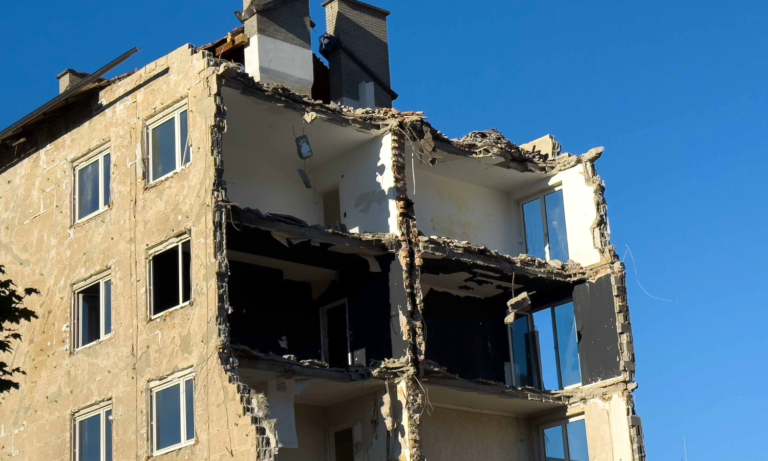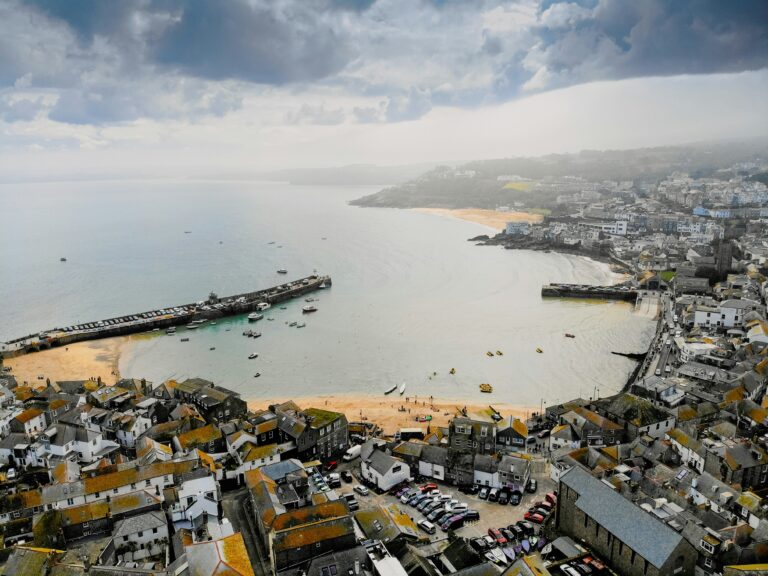
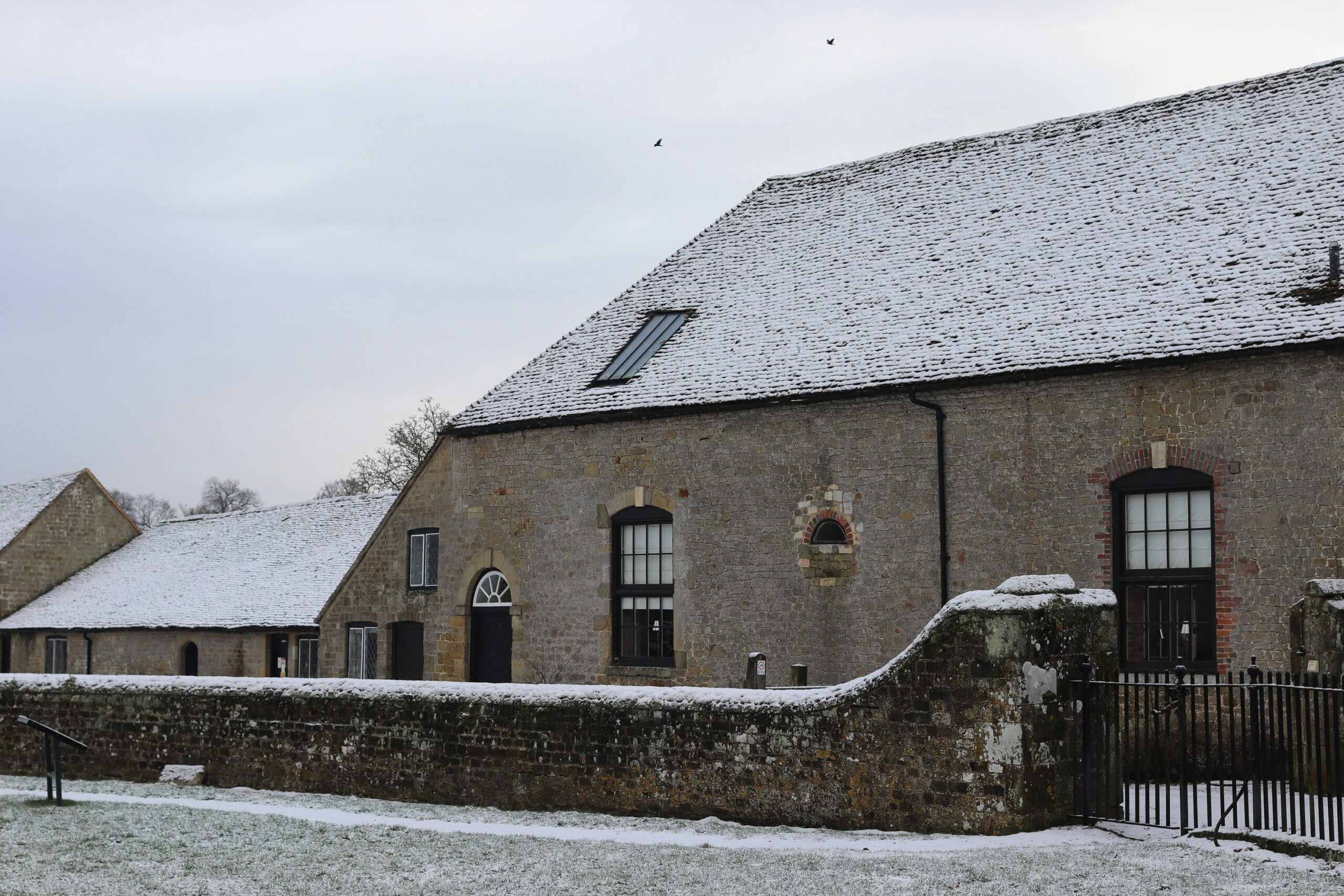
Last winter undoubtedly tested our older housing stock. From the Arctic spell that brought widespread frost at the start of the year to the battering taken during Storm Goretti on 8 January, it is wise to consider how the coming winter may expose existing defects and where potential weaknesses lie. For those responsible for listed building maintenance, current indications point to a mild but typically wet winter. While that may sound reassuring, prolonged damp conditions and occasional cold snaps are unwelcome guests in historic buildings.
Grade II property owners should check the following elements before the weather turns:
1. Gutters, hoppers and downpipes.
Blocked or leaking rainwater goods are among the most common causes of damp in period homes. Overflowing water can saturate walls and penetrate masonry and timber. Clear gutters and outlets now, then check them again after the leaves have fallen.
2. Roof coverings and flashings.
Slipped slates, cracked tiles and lifted lead flashings can allow water to enter unnoticed. An inspection from ground level using binoculars, or a drone survey where appropriate, is a sensible first step. A robust hat and jacket are essential winter items; think of your roof and walls in much the same way.
3. Chimneys.
Check stack pointing, flaunching and pots. Disused flues should stay ventilated rather than capped airtight, as trapped moisture can show up as staining on chimney breasts. Not a particularly desirable look when the family are round for the Sunday roast.
4. Pointing and masonry.
Failing joints and hard cement repairs can trap water behind the surface. When temperatures fall, this moisture freezes and causes spalling, particularly in soft brick and stone.
There are very few, if any, situations in which cement-based work on historic brick or stone can be considered beneficial. Budgeting now for an appropriate repointing scheme, with a view to beginning work in the spring, is a sensible move.
5. Condensation and mould.
Draught-proofing and modern paints can reduce natural ventilation, with the latter contributing to timber rot. Keep trickle vents and window slots operational, use extractor fans in kitchens and bathrooms, and avoid drying laundry indoors without adequate ventilation or dehumidification.
6. Windows and doors.
Worn putty, sticking sashes and gaps can admit both rain and wind. Traditional windows and doors should be included in any period property maintenance programme, with repair almost always preferable to replacement. Once overhauled, they are often more thermally effective than owners expect.
A well-maintained, operational sash window is a thing of beauty. Couple it with thick fabric curtains and you have the perfect combination for cold winter days. Preventing condensation from collecting on timber frames will also help to protect them from decay.
7. Ground levels and drainage.
Raised paths and patios, particularly impermeable concrete surfaces, or soil piled against external walls can bridge damp-proof detailing and keep walls wet. Keep gullies and drains clear: the perfect Saturday morning job.
Do not panic when you find damp patches, and think twice before accepting a “free damp-proofing report”. More often than not, it is followed by an invoice for several thousand pounds’ worth of unnecessary and destructive work. Such treatments do not accord with listed-building repair methods and frequently fail to address the underlying problem.
Why Listed Building Maintenance Matters
Caring for an older building begins with understanding that it does not perform in the same way as a new-build. This should be regarded as part of the covenant of ownership.
Traditional weatherproofing is inherently simple and, when properly cared for, can perform as well as, if not better than, its modern equivalent. Every period put its own stamp on construction, but Georgian, Regency, Victorian and, latterly, Edwardian builders created something quite remarkable.
Mid-to-late-20th-century alterations undid much of this work. Fortunately, traditional repair principles are enjoying a welcome resurgence among builders, surveyors and homeowners.
Listed Building Consent for Repairs
Like-for-like repairs often do not require Listed Building Consent, but alterations and certain changes of materials do. Interpretation can be subjective, so any decision not to apply for consent should be supported by appropriate records and a clear specification of the proposed materials. If you are in doubt or have work in mind, speak to us before proceeding.
Act Before Winter Takes Its Toll
Don’t put matters off until spring. An inspection now is likely to be far more cost-effective than repairing a winter’s worth of water damage.
Insurers may also take a firm view of lapsed maintenance when assessing a claim. It is therefore worth checking that your property is adequately insured. Listed buildings can be particularly costly to rebuild because of the specialist skills and materials involved in their construction.
An independent Reinstatement Cost Assessment by a Chartered Building Surveyor will establish an appropriate figure for your insurer, taking account of specialist labour, traditional materials and the statutory consents required.
Plan for the years ahead
If you would like an independent condition assessment or insurance reinstatement valuation for your listed home, need advice on repairs, or want to prepare a five-year maintenance plan, our Building Surveying team can help you prioritise the work and budget for the likely costs.
While it may sometimes be hard to believe, owning a listed building should not be seen as a burden. You are the custodian of a historic asset that, when properly cared for, will stand you in good, homely stead.