Protecting Landlords From Dilapidations Gaps
Proactive inspections can protect landlords from lease end shortfalls
Dilapidations claims often feel like the point at which landlords “get their money back” for disrepair. In reality, the amount a landlord can recover at lease end can be significantly less than the cost of putting a property back into repair and that shortfall can leave landlords disappointed and out of pocket.
There are two common reasons for this.
- The recoverable sum may be capped by the extent to which the disrepair has actually affected the value of the landlord’s interest.
- The claim can be reduced further where the landlord’s intended works such as refurbishment, improvement or reconfiguration to make some of the tenant’s repairs irrelevant. If proposed alterations would override the repairs, the tenant may not be liable for those items in the same way, and the recoverable figure may reduce accordingly.
The “repair cost vs. recovery” gap
It is not unusual for the cost of repairs to exceed what a landlord ultimately recovers. This is particularly frustrating where a tenant has allowed a property to decline over time. Even tenants that might be regarded as “blue chip” do not always maintain premises in reasonable repair, and by the end of the lease the difference between the repair bill and the amount recoverable can be substantial.
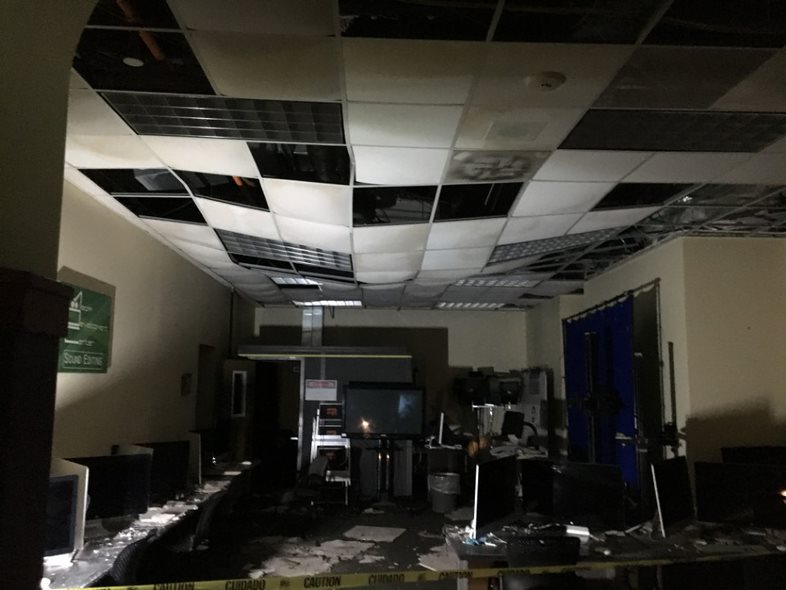
In our recent experience, issues are not limited to minor decoration. We have seen upper parts of retail premises with buckets collecting water from roof leaks, leaving areas unusable and accelerating deterioration. Problems like these typically worsen (and become more expensive) if they are not identified and addressed early.
The impact of that gap can also be more pronounced where the initial value of the property is lower, as the relationship between repair cost and value impact can diverge more quickly.
Why regular inspections matter
One of the most effective ways to reduce end-of-lease losses is to manage repair risk during the term. Regular inspections help landlords spot early signs of decline, document condition trends, and take action before issues become entrenched.
Many leases give landlords the ability to require tenants to carry out repairs during the term. Where a tenant fails to act, the lease may allow the landlord to undertake the repairs and recover the cost from the tenant as a debt. Used properly, these provisions can protect the asset, preserve rental value, and reduce the likelihood of a significant shortfall at lease end.
Practical steps for landlords
A proactive asset management approach typically includes:
- Scheduling periodic inspections (frequency appropriate to the building type, age and tenant use).
- Promptly notifying the tenant of repair obligations and agreeing timescales for action.
- Keeping clear records: photos, inspection notes, correspondence and any contractor reports.
- Taking early advice on strategy where disrepair is developing, particularly if lease end is approaching.
- Considering whether planned landlord works could affect future recovery and planning the dilapidations approach accordingly.
How Vickery Holman can help
A joined-up approach combining Property Management with Building Surveying and Lease Advisory service can help landlords protect assets, manage tenant obligations effectively, and minimise end-of-lease exposure. If you are concerned about the condition of an occupied property, or want to reduce the risk of a dilapidation’s shortfall, please get in touch with our team. Building Surveys and Building Surveyors Commercial Property
This article is general guidance and not legal advice.