
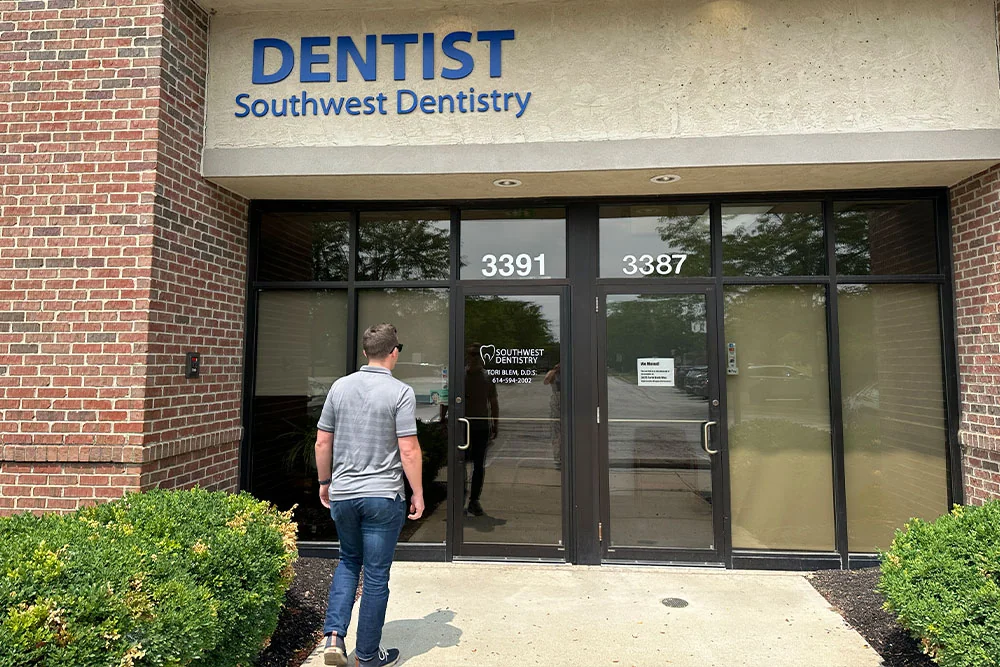
Dental premises are a specialist occupational market
Dental practice premises occupy a specialist segment of the occupational market. Although many are visually comparable with conventional retail or office accommodation, whether trading from converted period houses or purpose-built premises, the rental valuation process often requires careful, case-by-case adjustment. In that context, professional advice is not simply an added formality. It helps ensure that rent and lease terms reflect the realities of occupation and reduce avoidable risk for both landlord and tenant.
Measurement standards and why they matter
When measuring surgeries, we have regard to the RICS professional standard Valuation of medical centres and surgery premises (May 2025). This recognises accepted deviations from the approach to calculating Net Internal Area under the Code of Measuring Practice, reflecting how healthcare premises function in practice. Such deviations can include the addition of customer WCs, circulation space and other areas regarded as usable in the context of occupation. In a dental practice, where patient flow, waiting areas and compliant layouts are integral to operational performance, even relatively modest changes to measurement can have a material effect on the adopted area and the level of rent derived from it.
Property characteristics that influence rental tone
We must also have regard to specific property characteristics. Purpose-built healthcare premises can provide more efficient, compliant layouts with good access and are often found in more suburban locations. By contrast, city centre practices are typically established within former residential period buildings. These can have practical constraints such as more cellular accommodation, limited accessibility and greater maintenance liability. Other factors such as the availability and control of car parking, prominence, ease of access, and the capacity to accommodate modern surgery specifications can all influence demand and the weight to be attached to individual comparables.
Evidence, lease terms and effective rent
Dental and wider medical premises, formerly Use Class D1, do not always align neatly with standard retail or office datasets. Transactions are often influenced by lease length, fit-out investment and covenant considerations. It is therefore necessary to analyse evidence from medical-type premises and apply appropriate adjustments for repairing liabilities, incentives, service arrangements and rent review provisions, each of which can alter the effective rental tone.
Recent instructions in Plymouth and Dartmouth
We recently acted for a tenant on a lease renewal of a dental practice in Plymouth. The premises comprised a period style building where the existing lease imposed an internal repairing liability which the tenant sought to retain. The appropriate rental level therefore required adjustment to reflect the landlord’s increased maintenance responsibility compared with more typical full repairing lease terms seen across the majority of the comparable evidence.
Separately, we advised on the renewal of a dental practice in Dartmouth where the landlord proposed amendments to the rent review mechanism that were likely to have had a detrimental impact on the viability of the premises for the tenant over the term.
Why early advice reduces risk
Given that healthcare premises often attract longer leases, it is essential that rent and lease terms are carefully considered. Early advice, based on relevant evidence and a detailed understanding of the building and the lease, can help secure terms that remain sustainable throughout the lease and reduce the scope for dispute or unintended outcomes.
To find out more about how we support healthcare occupiers and owners, visit our Healthcare page: Healthcare Property Services: Expert Advice and Support – Vickery Holman